
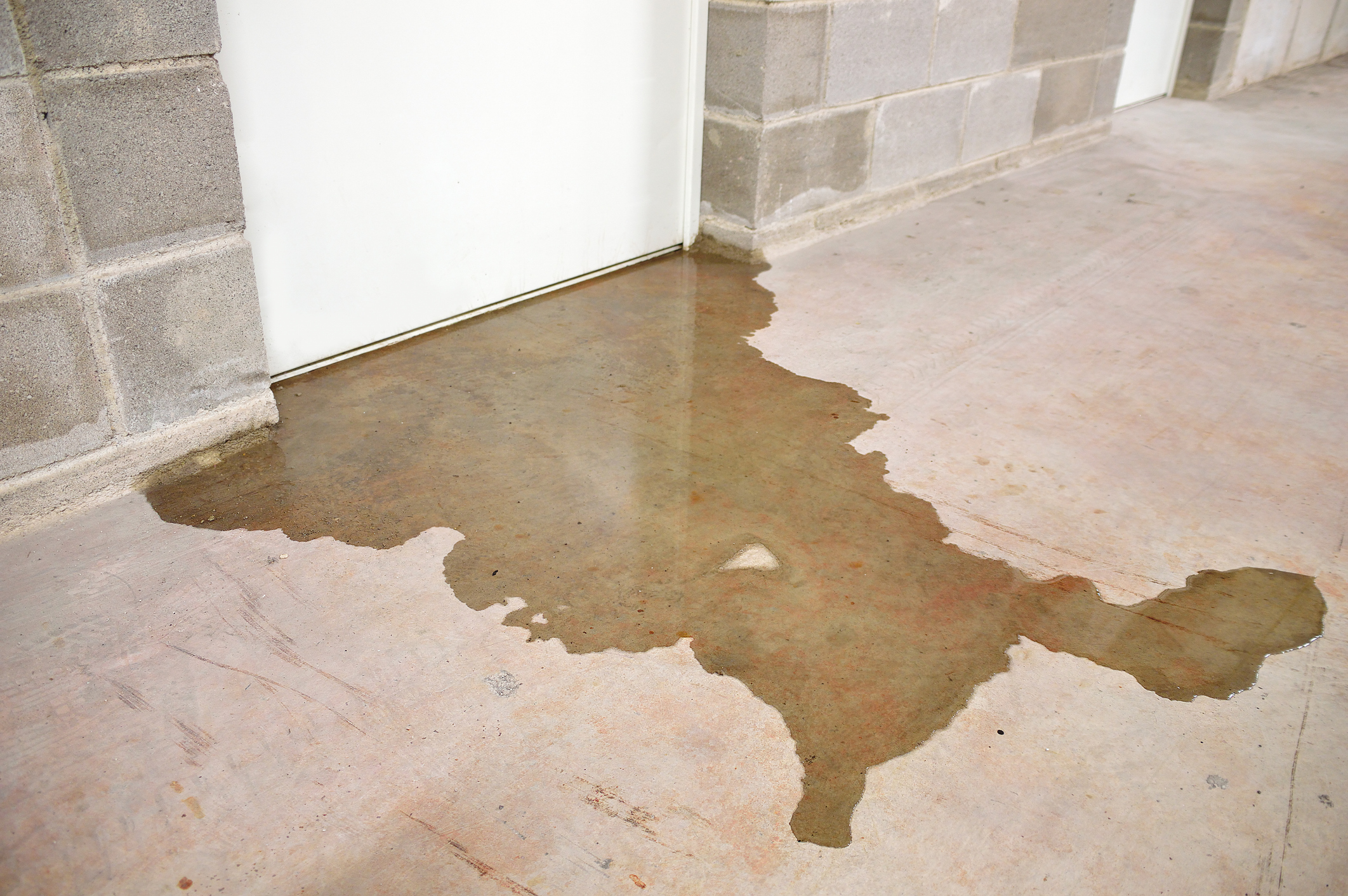
Living in the UK means managing high levels of rainfall, and for homeowners with basements or cellars, water ingress is a constant concern. Whether your basement is a utility room, a storage area, or a living space, ensuring that the surrounding drainage is effective is vital to preventing damp, mould, and structural damage.
Basements are naturally susceptible to hydrostatic pressure—the force exerted by water in the ground pressing against the exterior walls and floor of your property. If the external drainage is inadequate, this water will eventually find a way through the smallest of cracks. Many older homes were built without the sophisticated waterproofing membranes or cavity drainage systems we use today.
The most effective way to manage water in these areas is through a combination of external and internal solutions. Externally, ensuring that gutters and downpipes are clear and discharging water away from the foundations is the first line of defence. Internally, many basements require a sump and pump system. This is a pit dug into the basement floor that collects any water that manages to penetrate the structure, which is then mechanically pumped out to the main drainage line.
Maintaining these systems is just as important as installing them. Sump pumps should be tested regularly, and the non-return valves should be checked to ensure they aren’t stuck. If your basement feels damp, smells musty, or you see efflorescence (white mineral deposits) on the walls, these are clear signs that your water management system is failing. Addressing these issues immediately can prevent long-term damage to the structure of your home.