
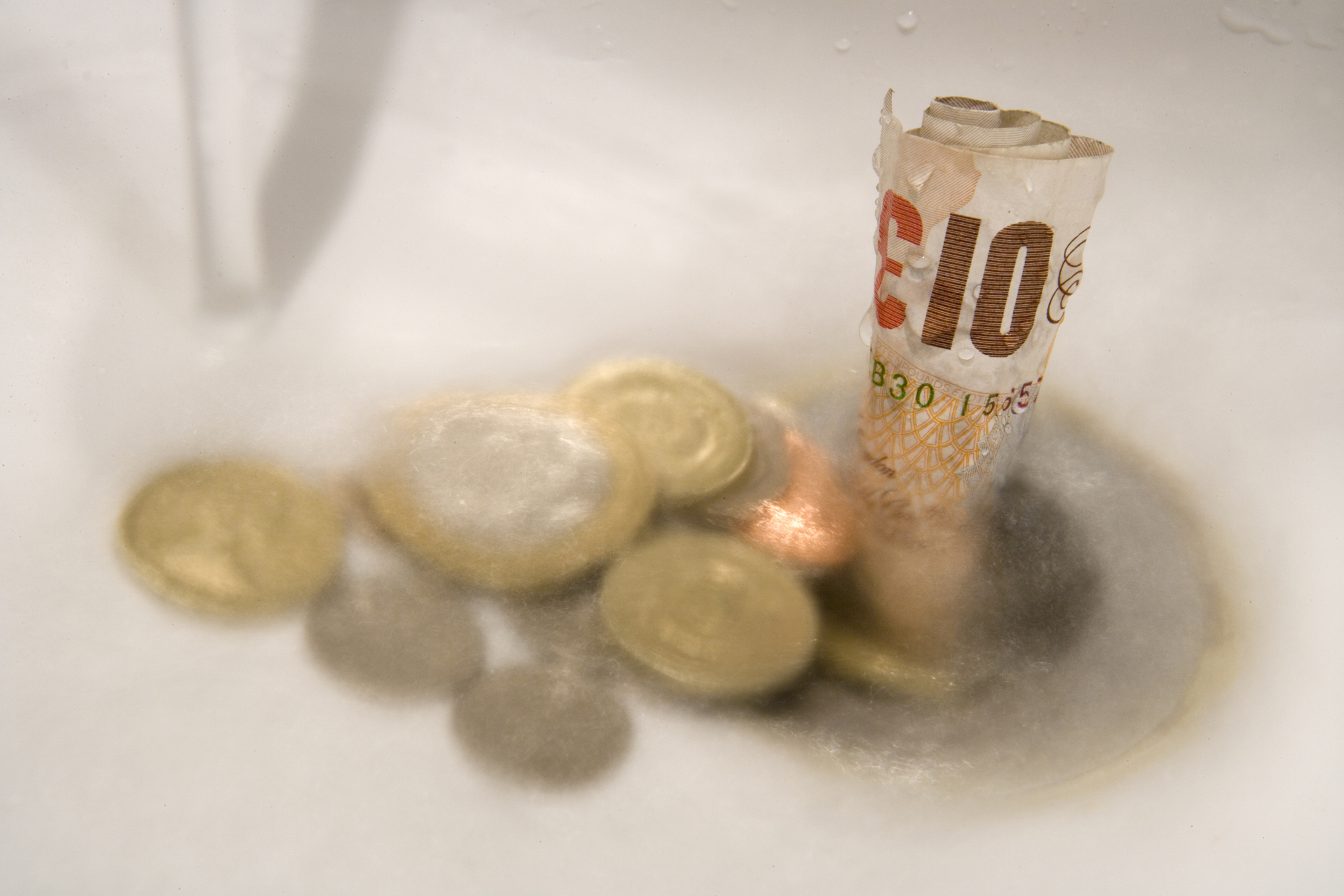
It is a quick habit at the end of cooking: tipping the remaining oil from a frying pan or washing greasy baking trays straight down the kitchen sink with hot water and dish soap. While liquid fat disappears down the plug hole easily enough, what happens inside your drainage system tells a very different story.
Fat, Oil, and Grease—collectively known as FOG—are the single leading cause of sewer blockages, fatbergs, and emergency drainage callouts across the UK.
What Happens to FOG Under the Ground?
Many people believe that flushing hot soapy water alongside cooking fat washes it safely away into the main sewer network. Unfortunately, this is a myth.
-
Cooling & Solidification: As hot liquid fat travels down your private pipework, it quickly cools down upon contacting the cold underground pipes and solidifies into a thick, rubbery mass.
-
Chemical Reaction: Inside the sewer network, these fatty acids mix with calcium and other minerals naturally present in wastewater. This process (called saponification) turns the soft grease into hard, soap-like deposits.
-
Trapping Debris: As the grease hardens against the pipe walls, it traps unflushable items like wet wipes, sanitary products, and hair. Over time, this forms massive obstructions known as fatbergs, which completely choke off water flow.
The Hidden Costs for Homeowners and Businesses
Ignoring proper FOG disposal can lead to serious financial and structural consequences:
-
Private Drainage Repairs: Blockages on your private property boundary are your legal responsibility. Clearing hardened fat deposits often requires professional high-pressure jetting or Picote mechanical cutting.
-
Sewage Backups: When grease completely seals off a drain run, wastewater has nowhere to go except back up through your ground-floor toilets, shower trays, and kitchen sinks—causing severe water damage and health hazards.
-
Commercial Fines & Closures: For restaurants, cafes, and commercial kitchens, failing to manage grease disposal can result in prosecution by water authorities under the Water Industry Act 1991, alongside costly business downtime.
How to Properly Dispose of FOG at Home
Adopting simple kitchen habits can protect your plumbing and save you from unexpected emergency repair bills:
-
Scrape Before Washing: Scrape food scraps, cold fats, and sauces off plates and pans straight into your food waste or general waste bin before washing up.
-
Use a Fat Trap or Container: Allow hot cooking oils and lard to cool down, then pour them into a sealable container (like an empty tin or jam jar) and throw it in the general waste bin.
-
Use Sink Strainers: Place mesh strainers over your kitchen plugholes to catch solid food debris before it enters the waste pipe.
Commercial FOG Management: Grease Traps
For commercial food businesses, installing and maintaining a correctly sized grease trap (grease interceptor) is essential. These units catch fats, oils, and grease before they reach the main drainage system. Regular cleaning and maintenance are essential to keep your business fully compliant and running smoothly.
Professional Drainage Solutions
If cooking fats have slowed down your sinks or caused a total blockage, off-the-shelf chemical drain cleaners will rarely solve the problem. Linken Services offers professional HPWJ drain jetting and Picote cutter cleaning to restore your pipework back to full capacity.