
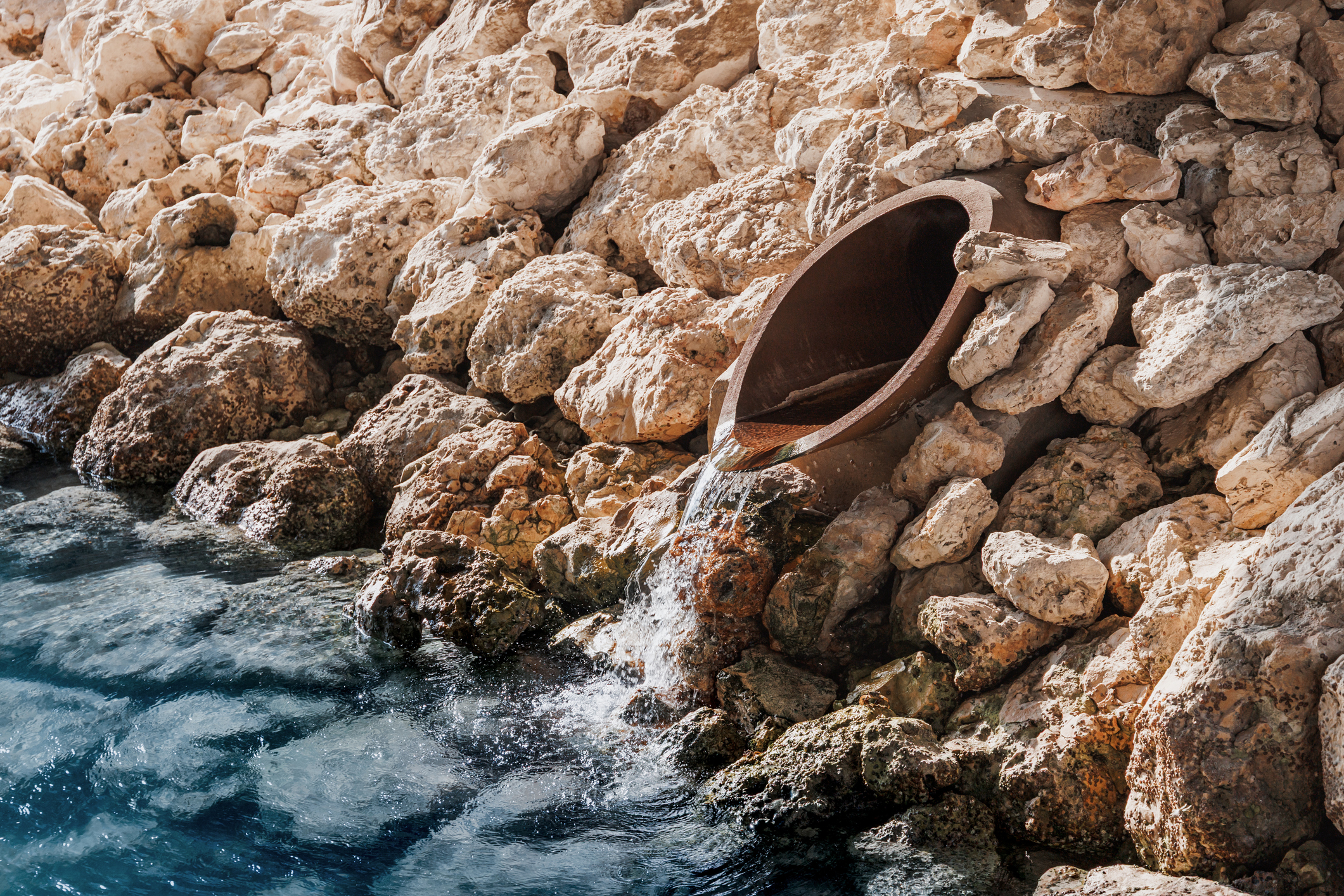
Urbanization, land paving, and changing global climate patterns have created a major crisis for municipal drainage infrastructure. As towns and cities expand, natural permeable landscapes—fields, woodlands, and floodplains—are replaced by impermeable concrete, asphalt, and roofing. When severe storm events strike, rainwater cannot sink into the ground naturally. Instead, it creates high-velocity surface runoff, overwhelming sewer networks, causing widespread flash flooding, and washing pollutants directly into rivers and natural ecosystems. Sustainable Drainage Systems (SuDS) represent a structural paradigm shift, moving away from quick traditional pipe-and-convey drainage to holistic natural management solutions.
The Traditional Drainage Problem vs. The SuDS Philosophy
For over a century, civil engineering prioritized rapid water conveyance: collecting rainwater via gutters, gullies, and underground pipes and transporting it off-site as quickly as possible. While efficient locally, this approach creates massive downstream problems.
TRADITIONAL APPROACH:
Rainfall ──> Impermeable Surface ──> Gully & Pipe ──> Rapid Peak Flow ──> Sewer Overload & River Erosion

SuDS APPROACH:
Rainfall ──> Infiltration/Retention ──> Natural Filtering ──> Attenuated Discharge ──> Groundwater Recharge
SuDS works by mimicking natural hydrological processes. Rather than treating rainwater as a waste product to be disposed of rapidly, SuDS manages water near its source, attenuating (slowing down) peak runoff flows, filtering out pollutants naturally, and providing ecological benefits to the surrounding landscape.
The Four Pillars of Sustainable Drainage
Every effective SuDS design balances four core environmental principles:
                          ┌────────────────────────┐
                          │    SuDS CORE PILLARS   │
                          └───────────┬────────────┘
        ┌──────────────────┬──────────┴──────────┬──────────────────┐
        ▼                  ▼                     ▼                  ▼
┌───────────────┐  ┌───────────────┐    ┌───────────────┐  ┌───────────────┐
│ Water Quantity│  │ Water Quality │    │  Biodiversity │  │    Amenity    │
│ Control runoff│  │ Filter toxic  │    │ Create native │  │ Enhance public│
│  & attenuates │  │ pollutants &  │    │ plant habitats│  │ spaces & green│
│  peak flows   │  │ heavy metals  │    │ for wildlife  │  │ infrastructure│
└───────────────┘  └───────────────┘    └───────────────┘  └───────────────┘
SuDS Features and Engineering Components
SuDS designs integrate a range of natural and engineered components, classified into four main delivery categories:
1. Source Control Components
These measures intercept rainwater where it lands, reducing initial surface runoff:
-
Green Roofs: Vegetated roof layers featuring sedum or native flora that absorb rainfall, reduce building heating costs, and slow drainage runoff.
-
Permeable Paving: Interlocking concrete blocks, porous asphalt, or resin-bound gravel with open joints that allow rainwater to infiltrate directly into a permeable stone sub-base below, storing water temporarily before natural groundwater absorption.
2. Site Control & Conveyance Systems
These features move runoff across a site slowly while treating it naturally:
-
Swales: Broad, shallow, vegetated channels designed to store and convey surface runoff. As water flows down a swale, plants naturally filter out suspended solids and heavy metals trapped in road runoff.
-
Filter Strips: Gently sloping strips of dense vegetation positioned between impermeable surfaces and receiving water bodies, designed to drop out heavy sediment.
3. Retention and Infiltration Structures
Where space permits, retention features hold large volumes of water during peak storms:
-
Attenuation Ponds and Basins: Dry or permanent water basins engineered to hold surface water runoff during heavy rainfall events, releasing it slowly into local watercourses via flow-control devices (such as hydro-brakes) at safe greenfield rates.
-
Infiltration Trenches & Soakaways: Underground trenches backfilled with coarse aggregate or modular geocellular crates that collect water and allow it to soak naturally into the surrounding subterranean soil table.
Strategic Benefits for Developers, Communities, and Utilities
Implementing SuDS offers tangible structural, financial, and environmental advantages across the construction and property management sectors:
-
Flood Mitigation: By flattening peak hydrograph curves during extreme rainfall events, SuDS prevents urban flash flooding and relieves structural pressure on aging municipal sewer networks.
-
Pollution Reduction: Physical filtration, bio-retention, and microbial action within vegetation layers trap hydrocarbons, micro-plastics, toxic heavy metals, and urban silt before they reach rivers.
-
Climate Resilience: Natural vegetated SuDS components help combat the urban heat island effect, cool surrounding environments through evapotranspiration, and store carbon.
-
Regulatory Compliance and Asset Value: Under current UK planning policy frameworks (including Schedule 3 of the Flood and Water Management Act 2010), SuDS inclusion is increasingly mandatory for major residential and commercial developments. Properties featuring well-designed green SuDS infrastructure routinely command higher asset valuations due to improved aesthetic appeal.
Sustainable Drainage Systems mark a crucial step forward in water management. By shifting from underground concrete pipe networks to green, integrated surface infrastructure, modern development can protect against urban flooding while creating vibrant, ecologically rich communities.