
Which Drain Unblocking Method Do You Need?
When a drainage emergency strikes, getting the blockage cleared quickly and safely is your top priority. However, not all blockages are created equal, and using the wrong clearance technique can leave stubborn debris behind or even damage fragile pipework.
At Linken Services, our drainage engineers rely on two primary mechanical clearing methods: traditional drain rodding and high-pressure water jetting. Here is how each method works and how to determine which solution is right for your property.
The Basics of Drain Rodding
Drain rodding is a traditional, time-tested approach used for tackling simple, localized blockages close to access points.
How It Works:
Interlocking flexible steel or polypropylene rods are fitted with specialized heads (such as plungers, corkscrews, or scrapers). The engineer inserts the rods into an access chamber or gully and manually pushes and rotates them to physically break apart or pull back the obstruction.
Best Used For:
-
Minor, localized blockages: Clearing localized grease, toilet paper buildup, or small debris lodged near the surface.
-
Small-diameter pipes: Ideal for short pipe runs where heavy machinery isn’t required.
-
Initial inspection: Allowing engineers to feel for physical obstructions before deploying cameras or heavy equipment.
Limitations:
While effective for simple jobs, drain rodding only punch a hole through the middle of a heavy blockage rather than cleaning the pipe walls. Soft waste and fat deposits left behind often cause the drain to block again shortly after.
The Power of High-Pressure Water Jetting (HPWJ)
High-pressure water jetting is the ultimate solution for heavy-duty drain cleaning, stubborn blockages, and full system restoration.
How It Works:
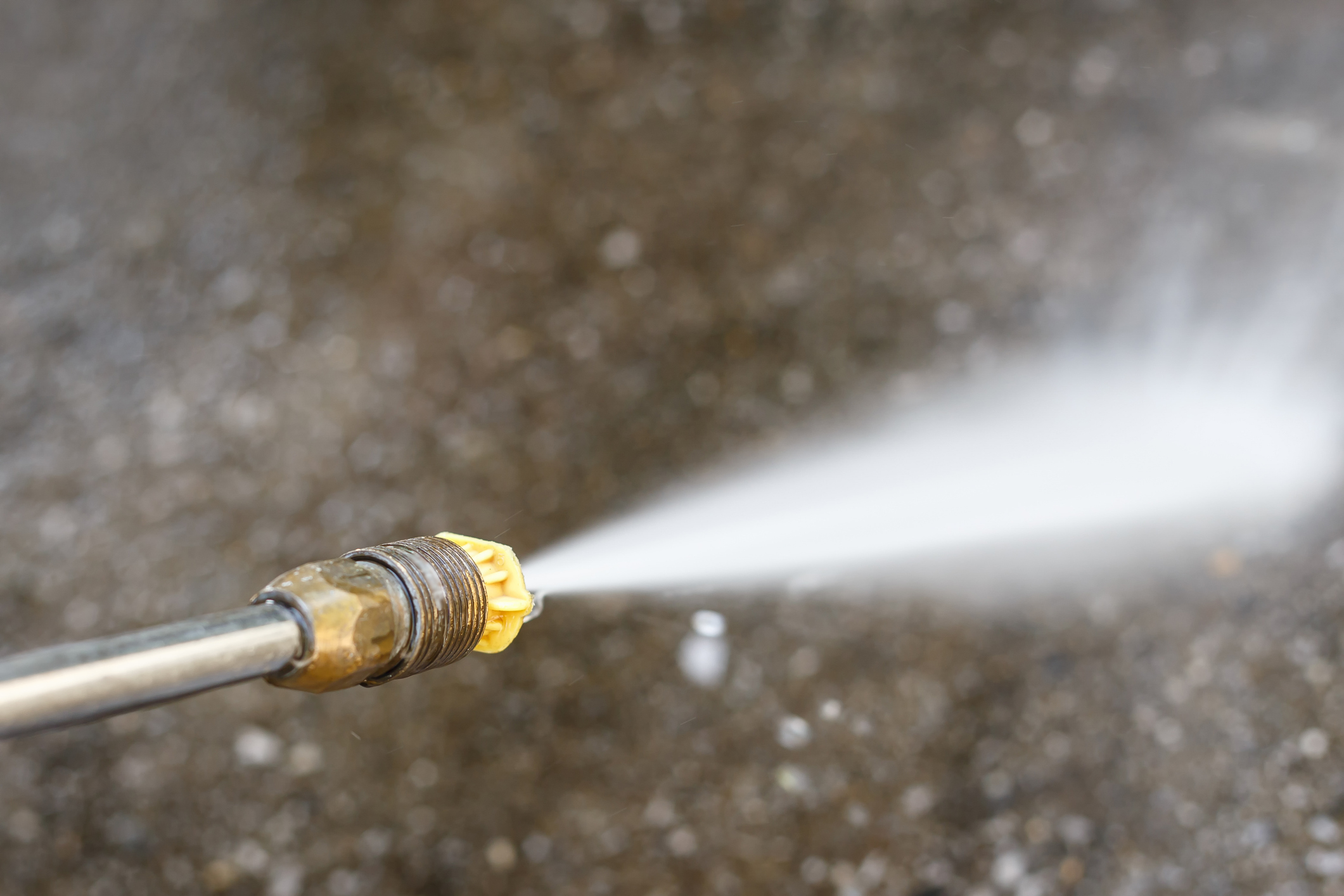
A flexible hose equipped with a specialized directional nozzle is fed deep into the drainage system. High-pressure water (often exceeding 3,000 PSI) is pumped through the hose. Rearward-facing water jets propel the nozzle forward along the pipe, while forward-facing jets blast through obstructions and strip grease, silt, and scale from the internal pipe walls.
Best Used For:
-
Stubborn or deep-seated blockages: Clearing compacted grease, heavy silt, leaves, and wet wipes far down the drain line.
-
Scale and fat build-up: Restoring narrowed pipes back to their original full bore diameter.
-
Preventative maintenance: Thoroughly cleaning commercial and domestic drainage systems to prevent future blockages.
Benefits:
-
Complete cleaning: Cleans the entire internal diameter of the pipe rather than just punching a temporary hole.
-
Long-reach capability: Easily navigates multiple bends and long distances down underground pipe networks.
-
Chemical-free: Uses pure water pressure, making it environmentally friendly and safe for all standard pipe materials.
Comparison Overview: Rodding vs. Jetting
| Feature | Drain Rodding | High-Pressure Water Jetting |
| Primary Function | Clearing basic surface blockages | Deep cleaning & clearing severe blockages |
| Reach & Flexibility | Short to medium distances | Navigates long pipe runs and multiple bends |
| Pipe Wall Cleaning | Minimal | Strips grease, scale, and silt completely |
| Ideal Application | Domestic sink & toilet blockages | Main line blockages, commercial cleaning |
Let Linken Services Clear Your Drains
Whether you are dealing with a simple sink obstruction or a heavily silted sewer line, Linken Services carries both high-power water jetting rigs and specialized rodding gear on every vehicle. Our qualified engineers quickly assess your system to select the safest, most effective clearing method.